
7 Mistakes You’re Making with Leak Prevention (And How to Fix Them Before Your Insurance Renewal)
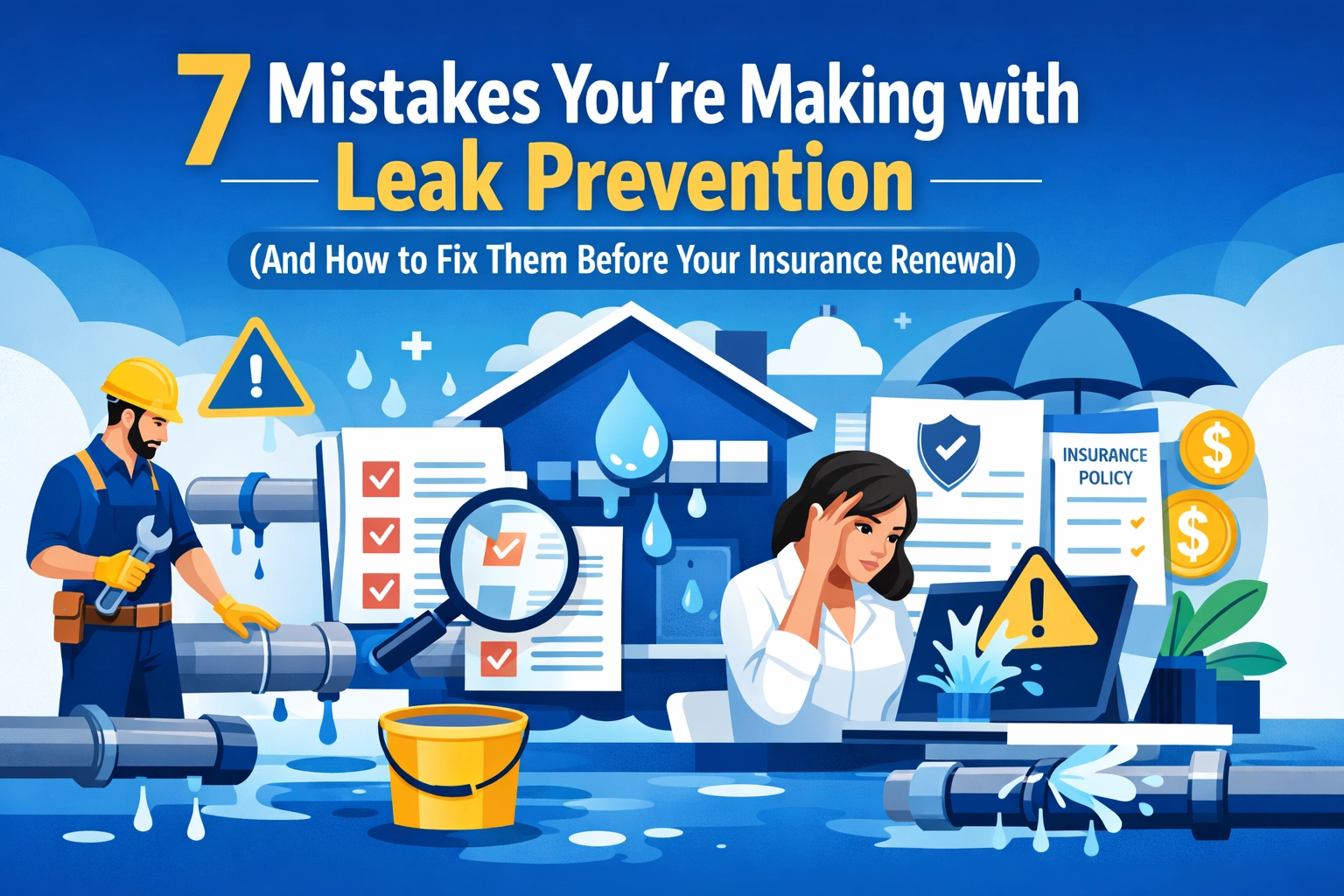
In Florida, keeping a homeowner’s insurance policy is becoming a sport of its own. Between rising premiums and stricter underwriting, the last thing any homeowner in Sarasota or Manatee County needs is a preventable water damage claim. Insurance companies are increasingly looking for any reason to hike rates or deny renewals, and a history of “sudden” leaks that could have been prevented is a major red flag.
At Accurate Backflow & Plumbing, we see it all the time. A small drip leads to a massive mold remediation project, which leads to a dropped insurance policy. Effective leak prevention isn’t just about saving water; it’s about protecting your biggest investment and staying in the good graces of your insurance provider.
If your renewal is coming up, or if you just want to avoid the headache of a flooded kitchen, here are seven common mistakes we see homeowners make, and exactly how you can fix them.
1. The “Hulk” Approach: Over-tightening Connections
It’s a common instinct: if a pipe is leaking, you should tighten it until it physically can’t move anymore, right? Wrong. In the world of plumbing, more force does not equal a better seal.
When you over-tighten plumbing connections, you risk cracking plastic fittings, stripping threads, or completely distorting the rubber washers that are actually responsible for stopping the water. We often see DIYers turn a $5 washer replacement into a $500 pipe repair because they cracked a fitting behind the wall.
The Fix: Tighten connections slowly. Stop the moment you feel the resistance increase. If it still leaks, don’t keep cranking. Instead, take it apart and check the washer or seal. Most leaks are caused by a worn-out rubber component, not a loose nut.
2. Using the Wrong “Fix-It” Materials
We have walked into homes in Bradenton and found everything from electrical tape to duct tape wrapped around leaking pipes. While these might hold for five minutes, they are not designed for plumbing pressure. Using the wrong sealant is one of the fastest ways to ensure a hidden leak develops inside your cabinets.
The Fix: Always use materials designed specifically for plumbing. For threaded metal or PVC connections, use plumber’s tape (PTFE tape) or pipe joint compound (often called “pipe dope”). Apply these evenly to create a water-tight seal that can withstand the high pressure of your home’s main water line.
3. Bringing the Wrong Tools to the Fight
Using regular pliers or a crescent wrench on every single nut in your house is a recipe for disaster. Improper tools can scratch, warp, or even crack your pipes. If you’re using a serrated plier on a decorative chrome fixture, you’re not just ruining the look, you’re compromising the integrity of the metal.
Furthermore, using dull or improper pipe cutters creates jagged edges. Those jagged edges prevent a clean fit, leading to connection failures weeks or months down the line.
The Fix: If you plan on doing minor maintenance, invest in a dedicated plumbing toolkit. A set of smooth-jawed wrenches, a proper basin wrench for those hard-to-reach sink nuts, and a high-quality pipe cutter are essential. If the job requires more than basic tools, it’s a sign you should contact us to handle it professionally.
4. The “I’ll Be Quick” Shutoff Gamble
One of the most dangerous mistakes is attempting a repair without turning off the water. We call this the “I’ll be quick” gamble. It only takes one slip of a wrench for a minor drip to turn into a high-pressure geyser that floods your bathroom in seconds.
Beyond the immediate mess, if an insurance adjuster finds out a major flood was caused by a homeowner performing “active repairs” without shutting off the main valve, they may question the claim.
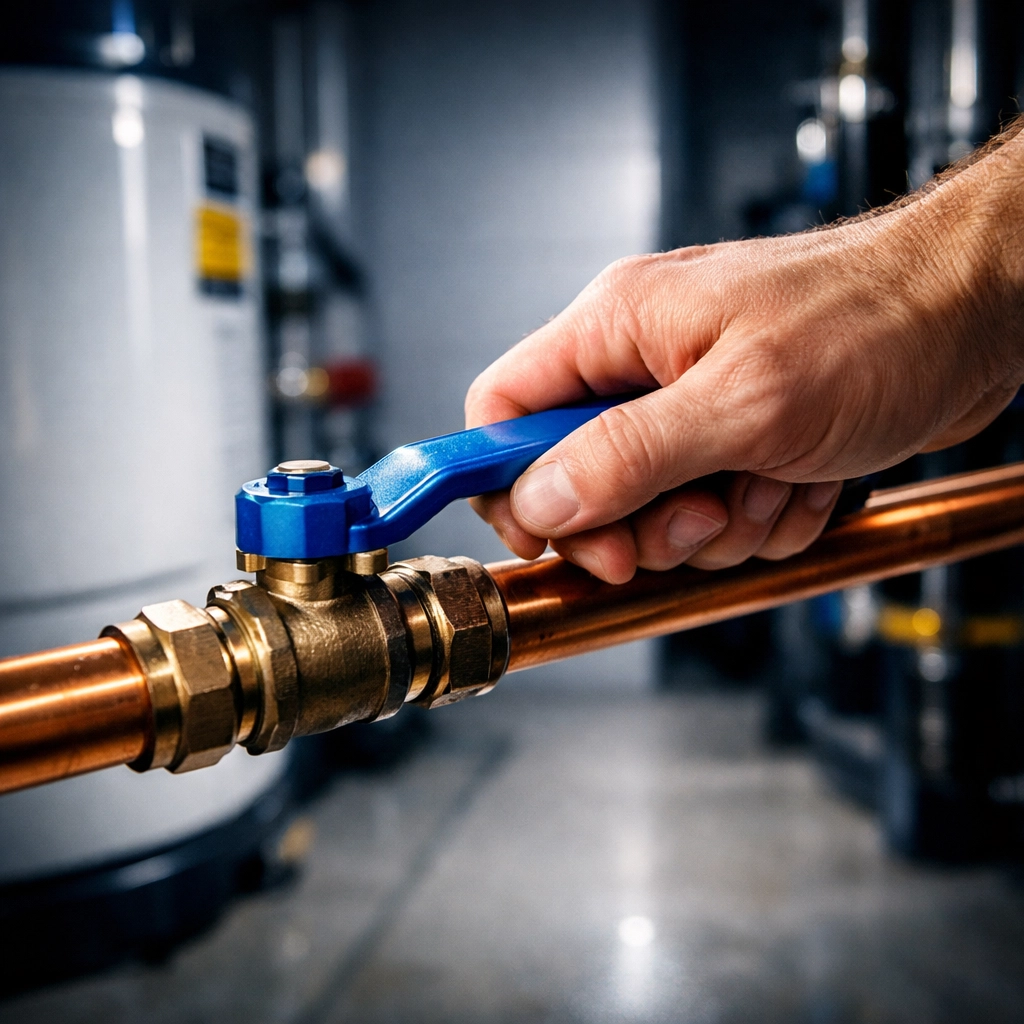
The Fix: Before you touch any pipe, locate your shutoff valves. Every fixture (sink, toilet, water heater) should have a local valve. If those don’t work, you must know where your main water shutoff is located, usually near the water meter or where the main line enters the house. Turn it off and test the faucet to ensure the line is depressurized before you start.
5. Mixing Incompatible Pipe Materials
Florida homes often have a mix of plumbing materials, older copper, newer PVC, and sometimes PEX. One of the most technical mistakes is joining different materials without the right adapters.
Connecting copper directly to galvanized steel, for example, triggers galvanic corrosion. This is a chemical reaction where electrons pass between the different metals, eventually eating away at the pipe and creating “mystery” leaks. Similarly, joining PVC to metal requires specific transition fittings to account for how the materials expand and contract at different rates.
The Fix: Never “force” two different types of pipes together. Use approved adapters and dielectric unions when joining dissimilar metals. If you aren’t sure which materials you have, our team can help identify them during a regular maintenance check.
6. Neglecting Your “Florida” Pipe Protection
While homeowners up north worry about pipes freezing, Florida homeowners face different environmental stresses. High humidity and salt air can corrode exposed metal pipes faster than you’d think. Furthermore, the occasional “Blueberry Frost” in Manatee County can catch us off guard.
When pipes are exposed to the elements or hidden in unconditioned spaces like attics or crawlspaces, they are subject to extreme temperature swings. This causes the materials to expand and contract, which eventually loosens joints and leads to failure.
The Fix: Insulate your exposed pipes even in our climate. Foam pipe wrap is an inexpensive way to maintain a consistent temperature for your plumbing. It also helps prevent condensation on cold-water pipes, which can lead to mold growth, a major red flag for insurance renewals. For more info on protecting your home’s water quality and system, check out our water purification options.
7. Treating Your Pipes Like Storage Racks
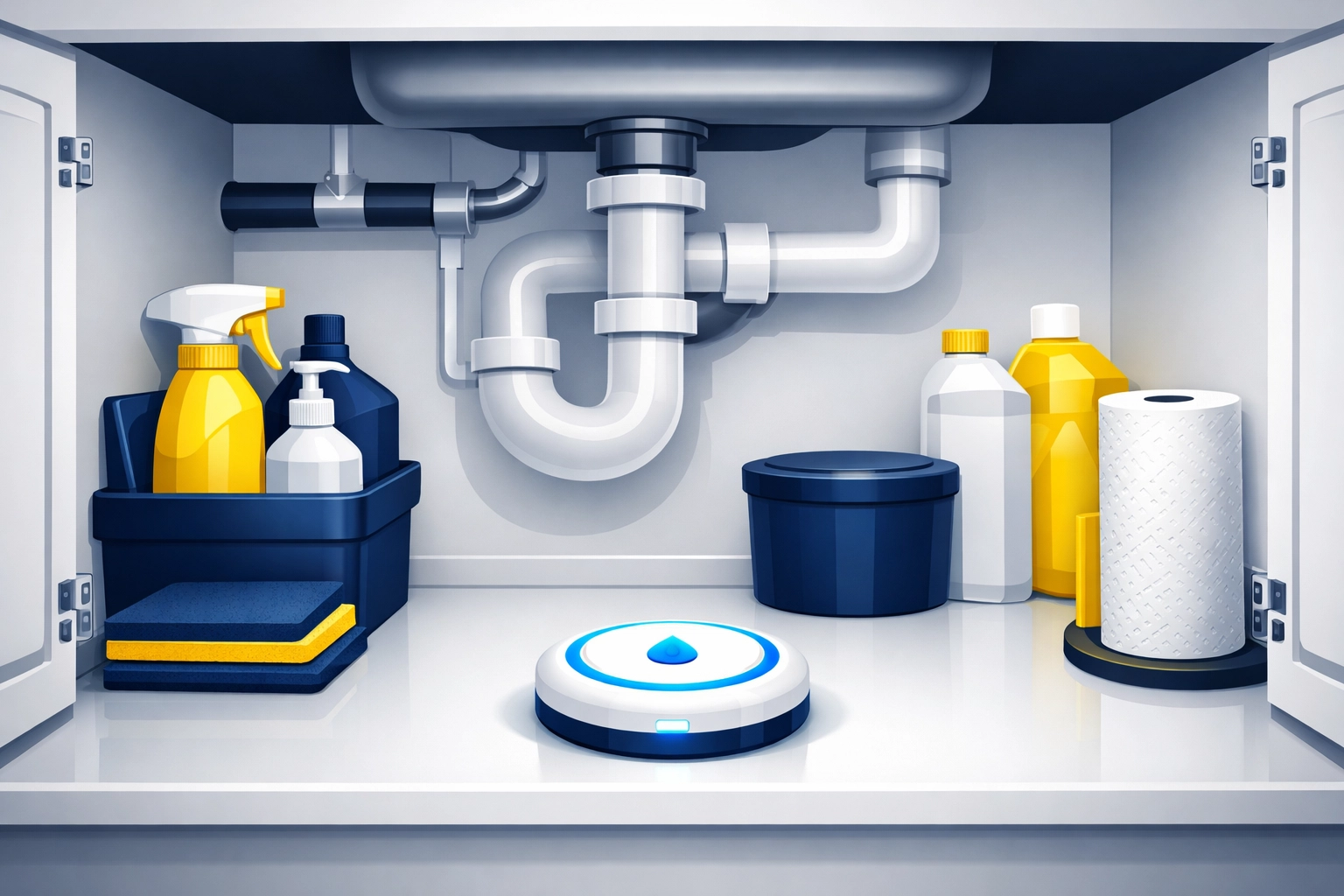
This is the most common mistake we see in kitchens and bathrooms. Homeowners often use the pipes under the sink as a place to hang spray bottles or store heavy cleaning supplies. Pipes are designed to hold the weight of water, not the weight of five heavy bottles of industrial cleaner hanging off the P-trap.
Constant pressure on these joints causes them to sag and eventually slip. Since these leaks are often small and hidden behind trash cans or storage bins, they can go unnoticed until the floorboards rot.
The Fix: Clear the clutter. Avoid hanging anything on your pipes. Keep the area under your sinks organized so that you can clearly see the bottom of the cabinet. We recommend placing a leak-detection alarm (a small, inexpensive battery-operated device) under every sink to alert you the moment moisture is detected.
Why Insurance Companies Care About Your Plumbing
The Insurance Institute for Business & Home Safety (IBHS) notes that water damage is one of the leading causes of property loss. In Florida, insurers are particularly sensitive to this because water damage often leads to mold, which is incredibly expensive to remediate.
By performing proactive leak prevention, you are demonstrating to your insurer that you are a low-risk homeowner. Many companies now offer discounts for homes that have a monitored leak-detection system or a documented history of professional plumbing inspections.
If your renewal is approaching, having a professional “clean bill of health” for your plumbing can be a powerful tool. Our AccuCare Maintenance program is designed specifically to catch these small issues before they become insurance-claiming disasters.
Protecting Your Home in Sarasota and Manatee County
At Accurate Backflow & Plumbing, we’ve served our local community for years, ensuring that families stay dry and their plumbing systems stay efficient. From backflow testing to emergency repairs, we pride ourselves on being the trustworthy experts you can call when things go wrong, or better yet, to keep things from going wrong in the first place.
Don’t wait for a puddle on the floor to think about your pipes. A little bit of leak prevention today can save you thousands of dollars and a whole lot of stress during your next insurance renewal.
Frequently Asked Questions
1. How often should I check my home for leaks?
We recommend a quick visual inspection of all exposed pipes (under sinks, near the water heater, and outdoor spigots) at least once a month. A professional inspection should be done annually to check for hidden issues like high water pressure or underground leaks.
2. Does high water pressure cause leaks?
Absolutely. While a high-pressure shower feels great, excessive pressure (above 80 psi) puts constant stress on your pipes, joints, and appliances. This can lead to “pinhole” leaks and sudden pipe bursts.
3. Can a “small” leak really affect my insurance?
Yes. Even if you don’t file a claim for the leak itself, the resulting mold or structural damage might require a claim later. If the adjuster determines the damage was caused by long-term seepage that was neglected, your claim could be denied.
4. What is the most common place for a hidden leak?
The most common “hidden” leaks occur in the toilet tank (leaking into the bowl) or behind appliances like dishwashers and refrigerators with ice makers.
Ready to Secure Your Home?
Don’t let a simple plumbing mistake lead to a massive insurance headache. Whether you need a comprehensive inspection or a quick repair, Accurate Backflow & Plumbing is here to help with all of your leak prevention needs.
Contact us today!
📞 Phone: 941-518-6030
🌐 Website: accuratebackflow.com
📍 Serving: Sarasota, Bradenton, and all of Manatee County.
Check out
Our services
Live in our service area?
Get your backflow preventer tested by the local experts.
Call Now!
941-518-6030
WE AIM TO DELIVER 5-STAR
SERVICE TO EVERY CUSTOMER
We appreciate and value our customers and it shows! We are committed to extraordinary customer-focused service. We stand by the statement:
"When Quality Matters, Hire The Best!"
Highest Google Rated Backflow Provider

They make it easy. You schedule your test online. They take care of the rest and even send the results to the county. Very competitive/affordable price as well. I even write in the notes when I schedule my test that if it needs a repair that costs less than $100 to please repair on the spot. Over $100, call me. Only once (when I needed a repair) did I receive an invoice for more than the typical service fee — my leak was repaired and I didn't even have to worry about it. Very please with how easy they make things.
They are awesome! This year I hired Accurate, as I have past years, but then my neighborhood hired another company. The company hired by the neighbor completely botched it, but the county only looks at the last test result done. Accurate really had my back, talked to the county for me to make sure the bad company retested. Would definitely recommend Accurate Backflow!
Have had a great experience with Accurate. We have used them for 4-5yrs running. Very simple process for us email to schedule appointment and they turn in all the paperwork for you. We have never had any issues and it’s such an easy process to pay as soon as you get the email invoice, and it’s super reasonable.
Streamline, efficient and stress free. Thank you!
Tracy was incredible in answering all my questions, great listener, was able to coordinate a backflow and I saved money by signing up for three additional years. She even managed to have replacement handles installed (original ones rusted out).
Refreshing to have real customer service.
I have used Accurate Backflow for over 10 years. I have always had prompt efficient service. They make it so easy to schedule an appointment and to pay after the work is completed.
I have used Accurate Team for years for our annual back flow testing. They have made the process seamless from the initial reminder email, allowing easy scheduling, auto report submission and autopay. Reliable company, highly recommended.
Accurate Backflow Testing & Plumbing responded quickly to my request for testing. They came out within a few days. Did the testing put their stamp of approval on our water system coming into the home. We are very satisfied with their service would highly recommend them.
I have used Accurate Backflow Testing since I moved to Lakewood Ranch. Always timely, fair pricing, great communication. I have never been let down by them.
Easy online booking, quick response to booking request, testing done within a few days, completion/pass tag left on door, easy online payment. Will definitely use this company again!
Accurate has been great! The website ordering system is so easy to use. You place the order they come out and bill you. Love how little effort ii need to make to order back flow.
When Quality Matters, Hire The Best!
Call Us Now and Let’s Get Started
The team here at Accurate Backflow & Plumbing is standing by to serve as your trusted local plumber in Bradenton, FL. So, call us or fill out the form to book your appointment with our staff today.
