The most important water heater maintenance task before fall is flushing your tank to remove sediment, followed by safety checks for leaks, pressure, temperature, and corrosion. Bradenton and Sarasota homeowners should complete these steps before cooler weather and holiday guests increase hot-water demand.
After a long Florida summer, your water heater may be working harder than you realize. Mineral deposits, worn components, and small leaks can become larger problems when your household starts using more hot water.
Why is fall the right time to service your water heater?
Fall is a practical water heater maintenance window because it comes before the holiday season and cooler months. Guests, extra laundry, cooking, and back-to-back showers can quickly expose a water heater that is struggling to keep up.
Florida homes also commonly deal with hard-water minerals. Calcium and magnesium can settle inside tank-style water heaters, coat heating elements, and reduce efficiency. Regular service helps your system heat water more reliably and may extend its useful life.
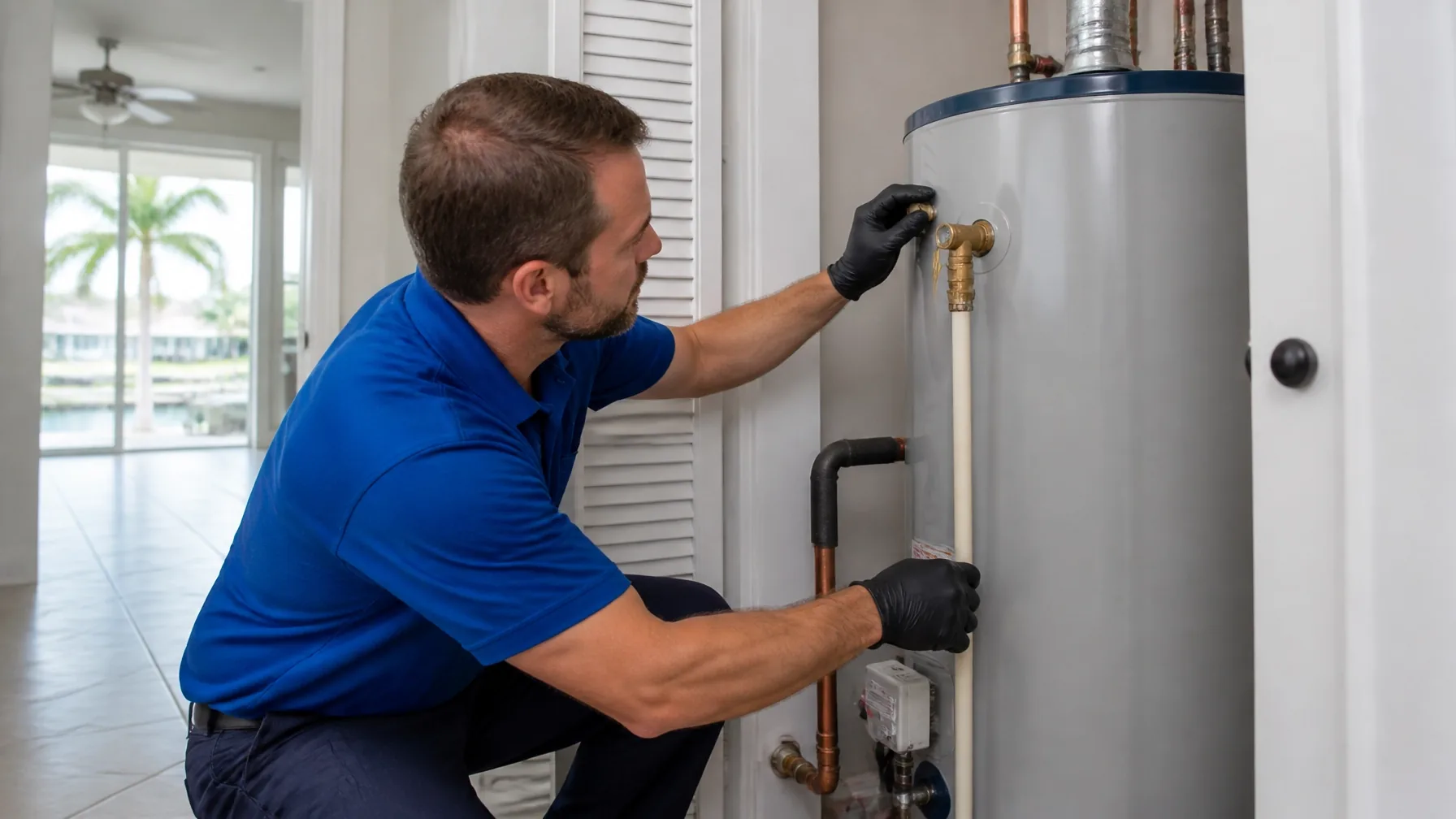
1. How do you flush sediment from a tank water heater?
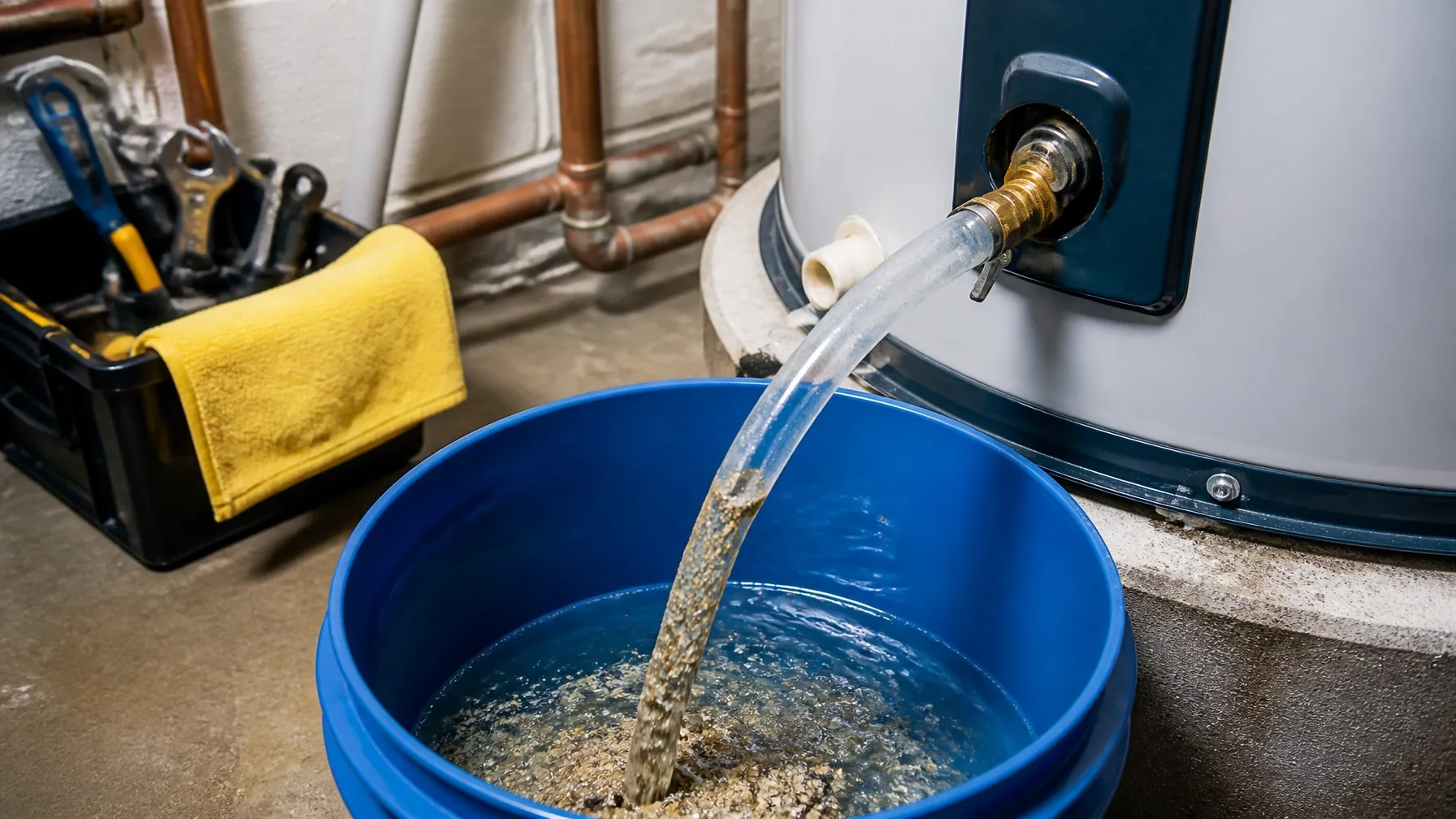
For many homes, water heater maintenance starts with removing sediment from the bottom of the tank. Sediment buildup can cause popping, rumbling, cloudy hot water, longer heating times, and reduced capacity.
A tank flush generally involves:
- Turning off the heater’s power or gas supply.
- Closing the cold-water inlet.
- Connecting a garden hose to the drain valve.
- Directing the hose to a safe drain or outdoor area.
- Opening a nearby hot-water faucet to relieve pressure.
- Draining the tank until the water runs clearer.
- Refilling the tank completely before restoring power.
A traditional water heater should usually be flushed at least once a year. If your Bradenton home has hard water, no softener, or visible sediment, flushing every six months may be more appropriate.
Do not attempt to force a stuck drain valve or work around a leaking connection. Hot water can cause serious burns, and a professional flush may be safer when the tank has not been serviced for several years.
2. What temperature should your water heater be set to?
Most homeowners can set their water heater thermostat near 120°F. This setting balances hot-water comfort, energy use, and scald protection.
A higher setting may increase the risk of burns and accelerate mineral scale. A lower setting may not provide the temperature your household needs, particularly when several fixtures operate at once.
Check the temperature at a frequently used faucet after making an adjustment. If your water remains lukewarm or the temperature changes dramatically, the problem may involve a thermostat, heating element, mixing valve, or another component requiring water heater repair.
The U.S. Department of Energy provides additional guidance on water heating efficiency and temperature settings.
3. How can you check for leaks and corrosion?
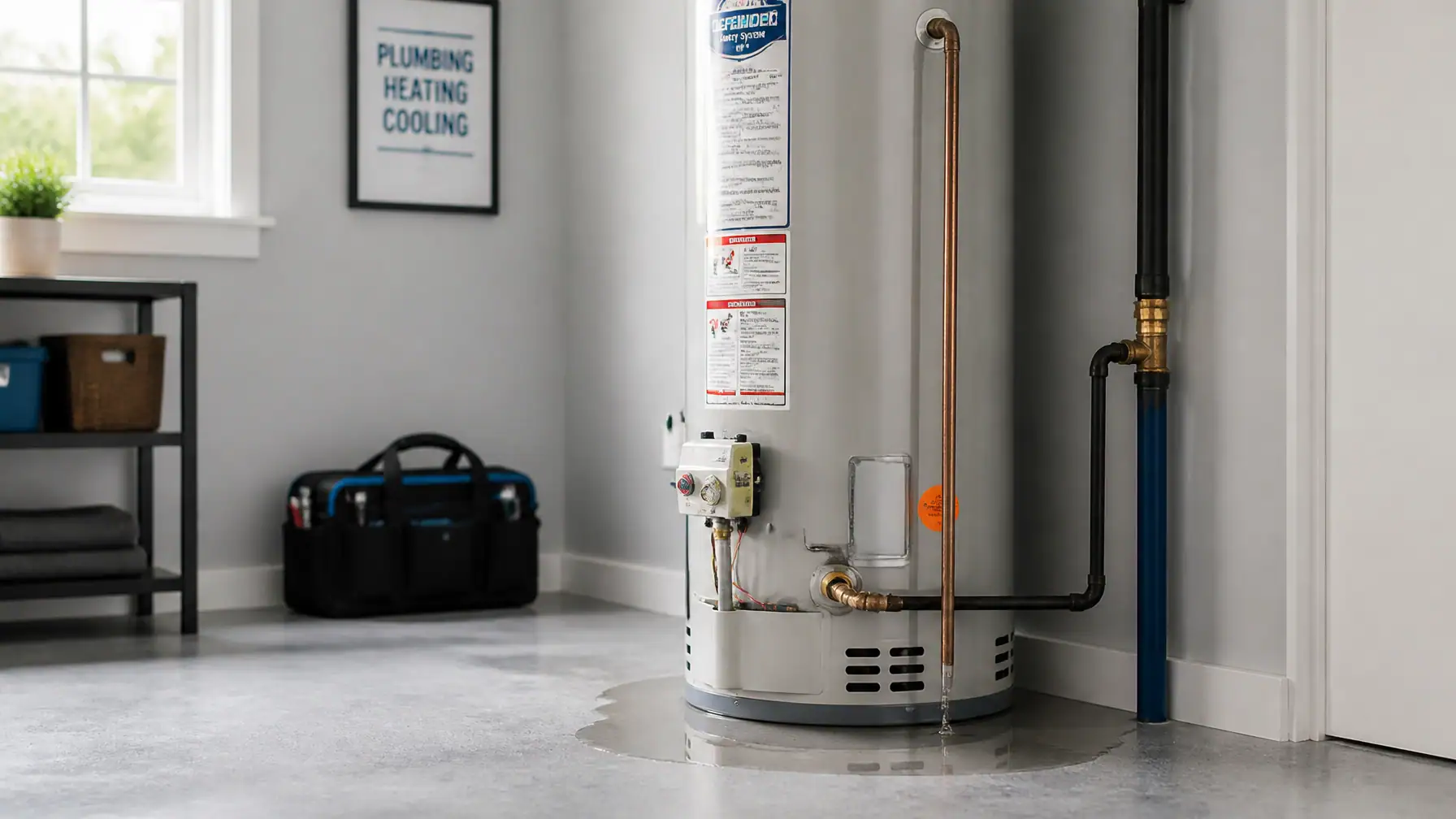
Inspect your water heater before the fall season begins and look again each month. Check the area around the tank, drain pan, fittings, shutoff valve, and pressure relief pipe.
Watch for:
- Puddles or damp flooring
- Rust around the tank base
- Corroded pipe connections
- Water dripping from the temperature and pressure relief valve
- Moisture around the drain valve
- Brown or rusty hot water
- A tank that leans or shifts
A small amount of condensation may not indicate a serious failure, but unexplained moisture should not be ignored. Leaks from the tank itself often mean the internal lining has failed. In that situation, water heater replacement is usually more practical than attempting a temporary repair.
4. When should you inspect the anode rod?
The anode rod is designed to corrode before the steel tank does. Over time, the rod becomes depleted and can no longer protect the tank from rust.
Anode rods should generally be inspected every three to five years, although hard water and softened water can affect how quickly they wear out. Replacing a worn anode rod may help protect an otherwise serviceable tank.
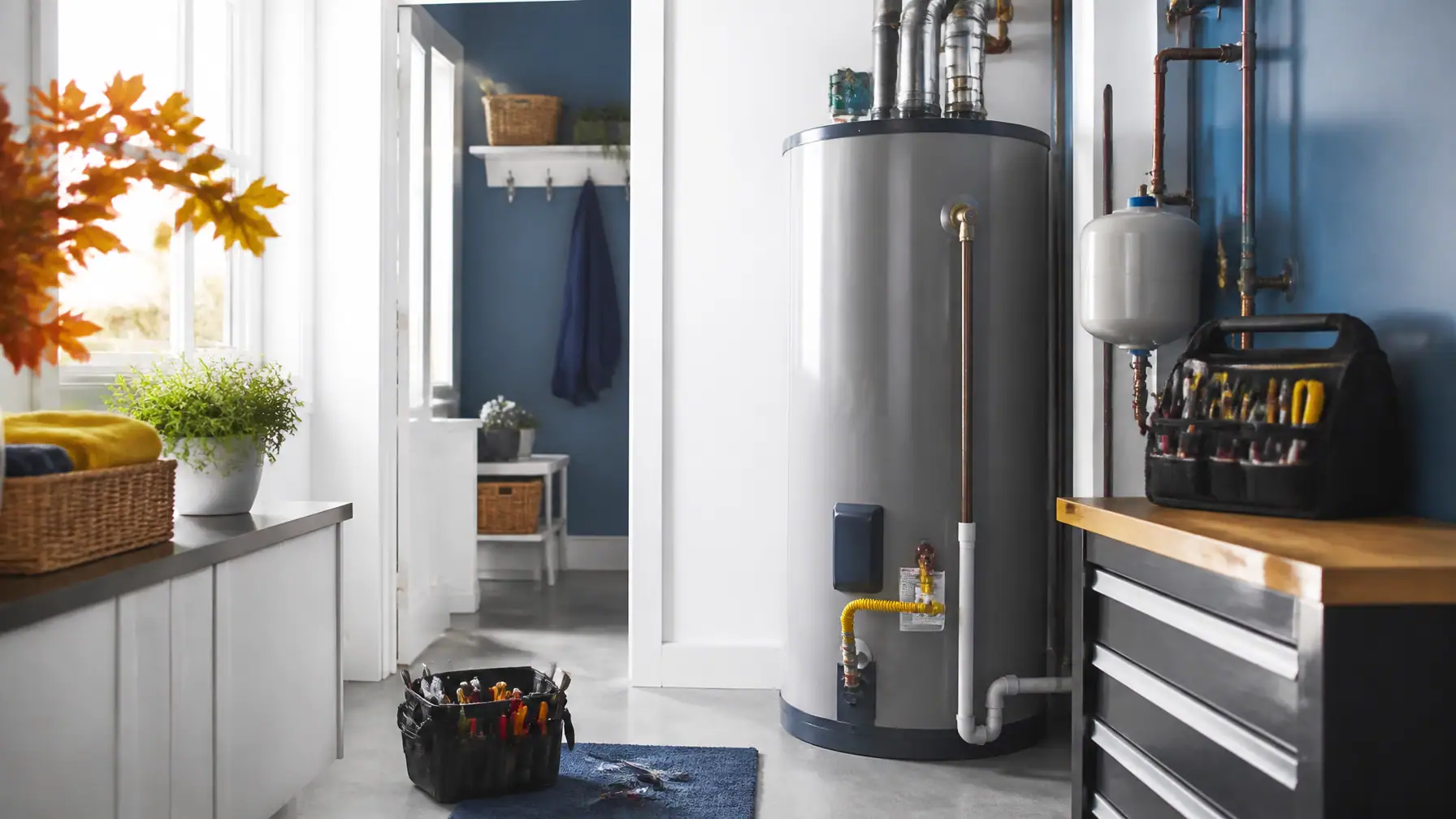
This part of water heater maintenance is best handled by a licensed technician because the rod can be difficult to remove and may require clearance above the tank. During the inspection, a plumber can also check the heating elements, burner assembly, thermostat, connections, and expansion tank.
5. Does a tankless water heater need maintenance?
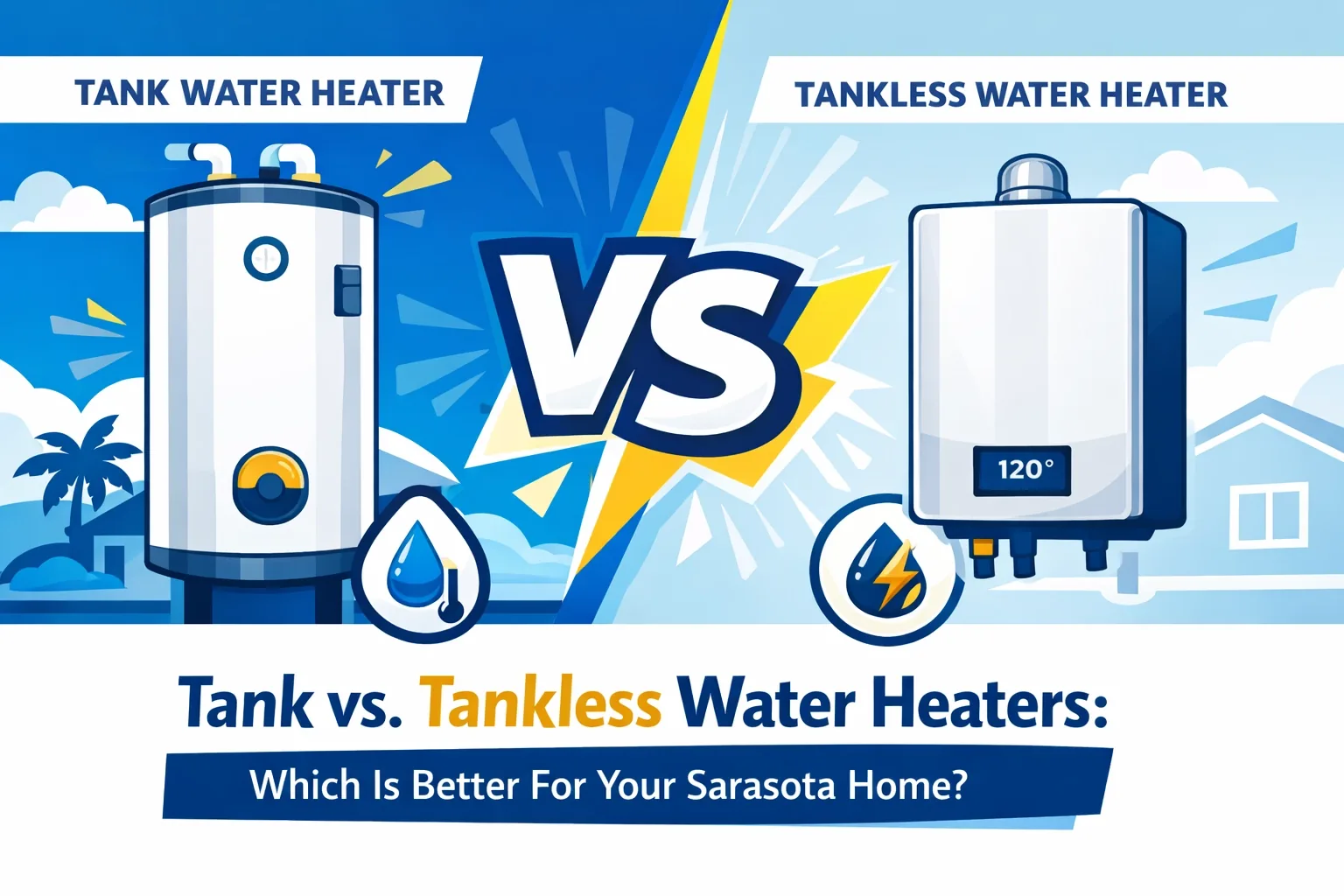
Yes. A tankless water heater does not store a tank of water, but it still needs routine service. Mineral scale can collect inside the heat exchanger and restrict water flow or reduce heating performance.
Tankless systems often require descaling with an approved solution. Homes with hard water may need this service annually or according to the manufacturer’s recommendations.
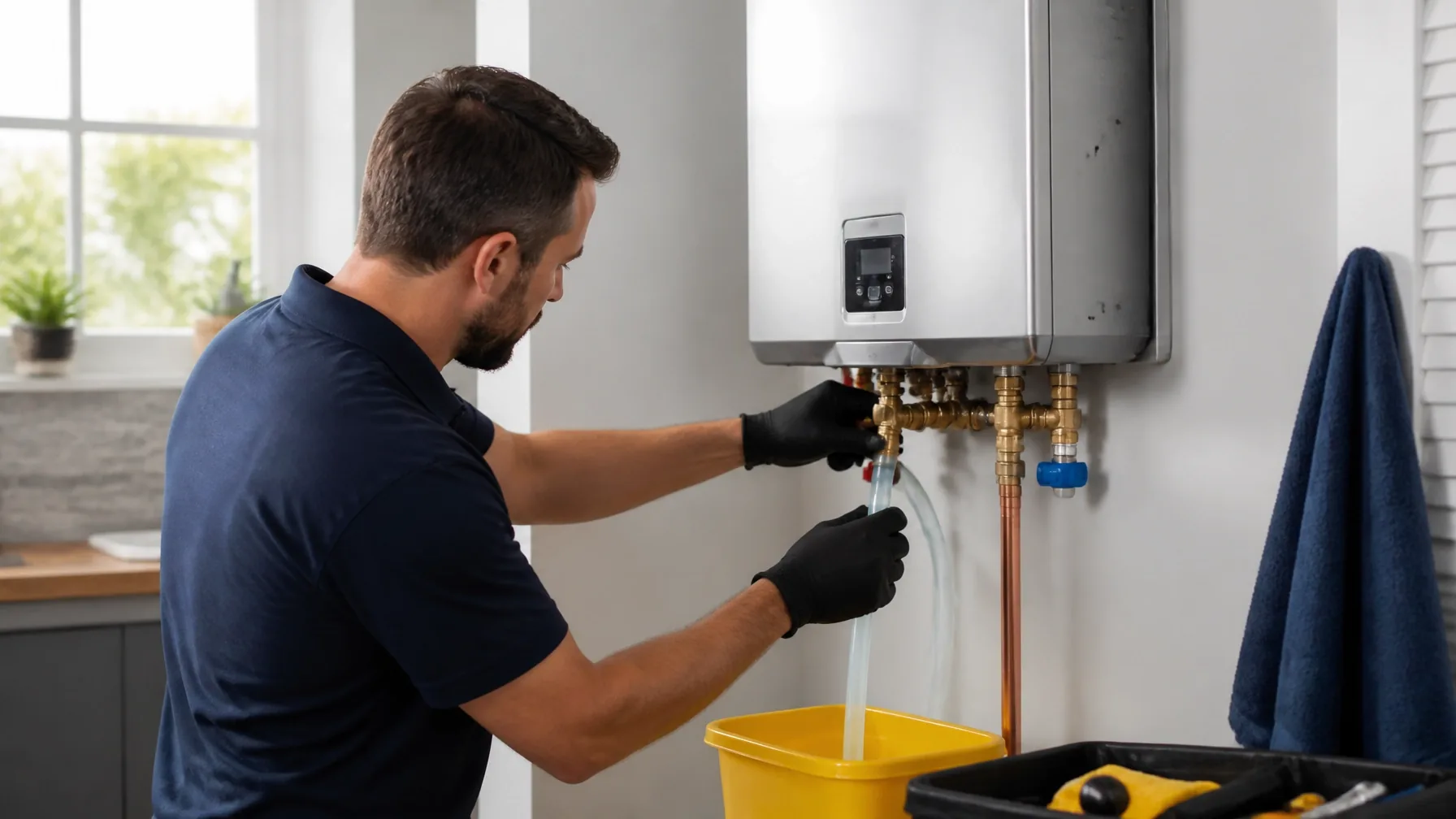
A tankless system may be a good option when you want continuous hot water, improved space efficiency, or a replacement for an aging tank. However, the right choice depends on your household size, fuel source, water demand, installation space, and budget.
If your current unit runs out of hot water frequently, read our guide to why a water heater may not produce enough hot water.
6. How does Florida hard water affect water heaters?
Hard water can leave mineral scale inside pipes, fixtures, dishwashers, washing machines, and water heaters. In a tank, sediment settles at the bottom and creates a barrier between the burner or heating element and the water.
That barrier can make the system run longer to heat the same amount of water. It can also contribute to rumbling sounds, higher energy use, clogged valves, and premature component failure.
Good water heater maintenance should account for your home’s water quality. If you notice white scale around faucets, spots on glassware, dry-feeling skin, or recurring sediment, consider professional testing and a water softener or filtration system.
Accurate Backflow & Plumbing offers water filtration and water softener services for homeowners in Bradenton, Sarasota, Lakewood Ranch, Palmetto, Parrish, and nearby communities.
7. When should you schedule a professional inspection?
A fall water heater maintenance visit gives you a chance to address small concerns before holiday demand exposes them. A licensed plumber can safely inspect components that are difficult or hazardous for homeowners to evaluate.
Ask the technician to review:
- Tank condition and estimated age
- Sediment levels
- Anode rod condition
- Temperature and pressure relief valve
- Thermostat or heating elements
- Gas burner and venting, if applicable
- Electrical connections, if applicable
- Shutoff valves and supply lines
- Expansion tank and drain pan
- Water quality concerns
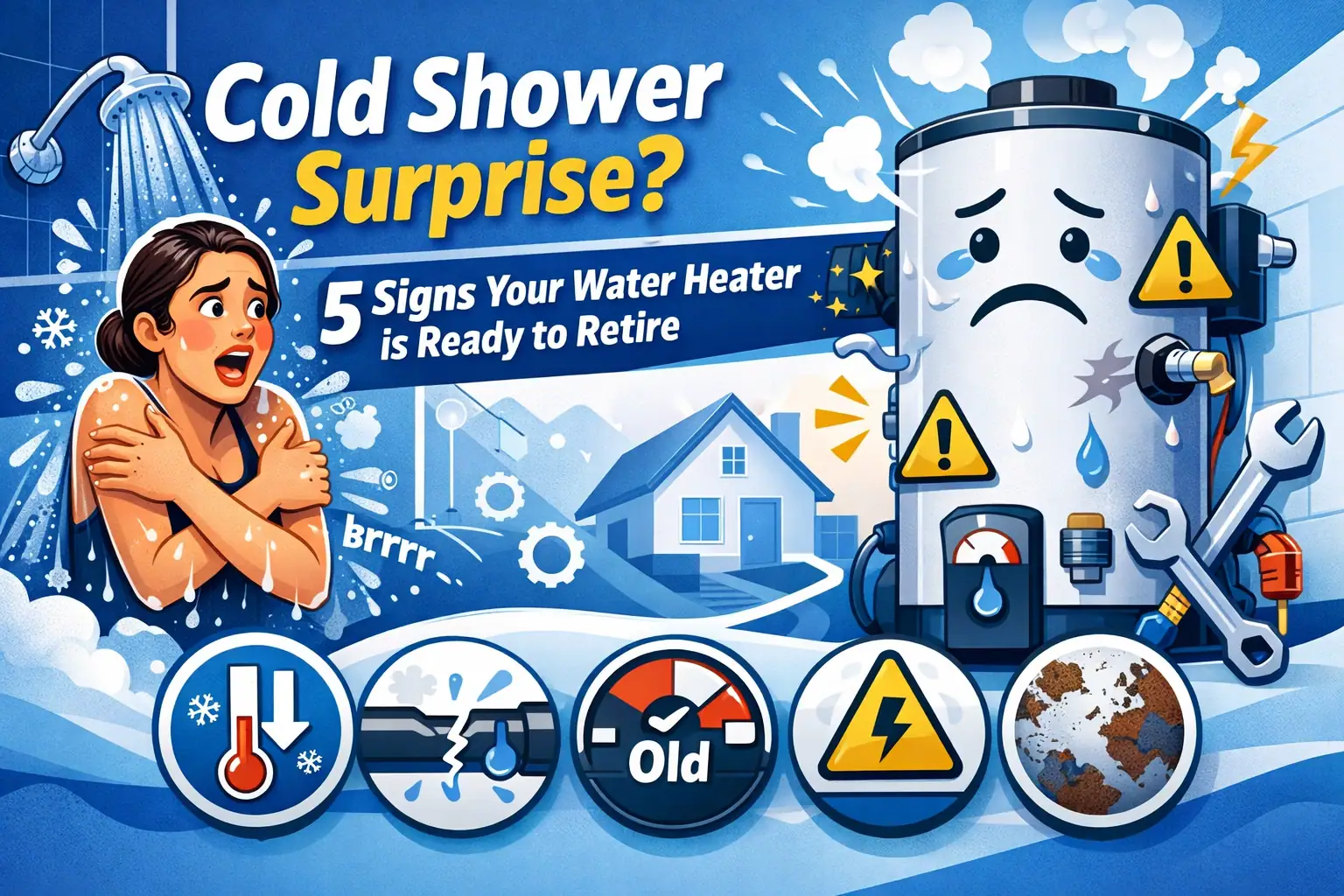
Call a professional promptly if you hear loud banging, smell gas, see a leak, lose hot water, notice discolored water, or find that the relief valve continues dripping.
When searching for a plumber Bradenton FL homeowners can trust, choose a company that provides licensed, insured, and certified technicians, clear pricing, and documented service recommendations.
Prepare your Bradenton home before the holiday season
Consistent water heater maintenance can help your home handle fall and winter demand with fewer surprises. It can also identify whether your system needs a flush, water heater repair, tankless service, or water heater replacement.
Accurate Backflow & Plumbing has served Manatee and Sarasota counties since 2000. Our fully licensed, insured, and certified technicians provide transparent pricing for residential plumbing, water heaters, water treatment, and related services.
We are located at 1912 44th Ave E, Suite B, Bradenton FL 34203. Call 941-518-6030 or request water heater service online before the cooler months and holiday season arrive.